
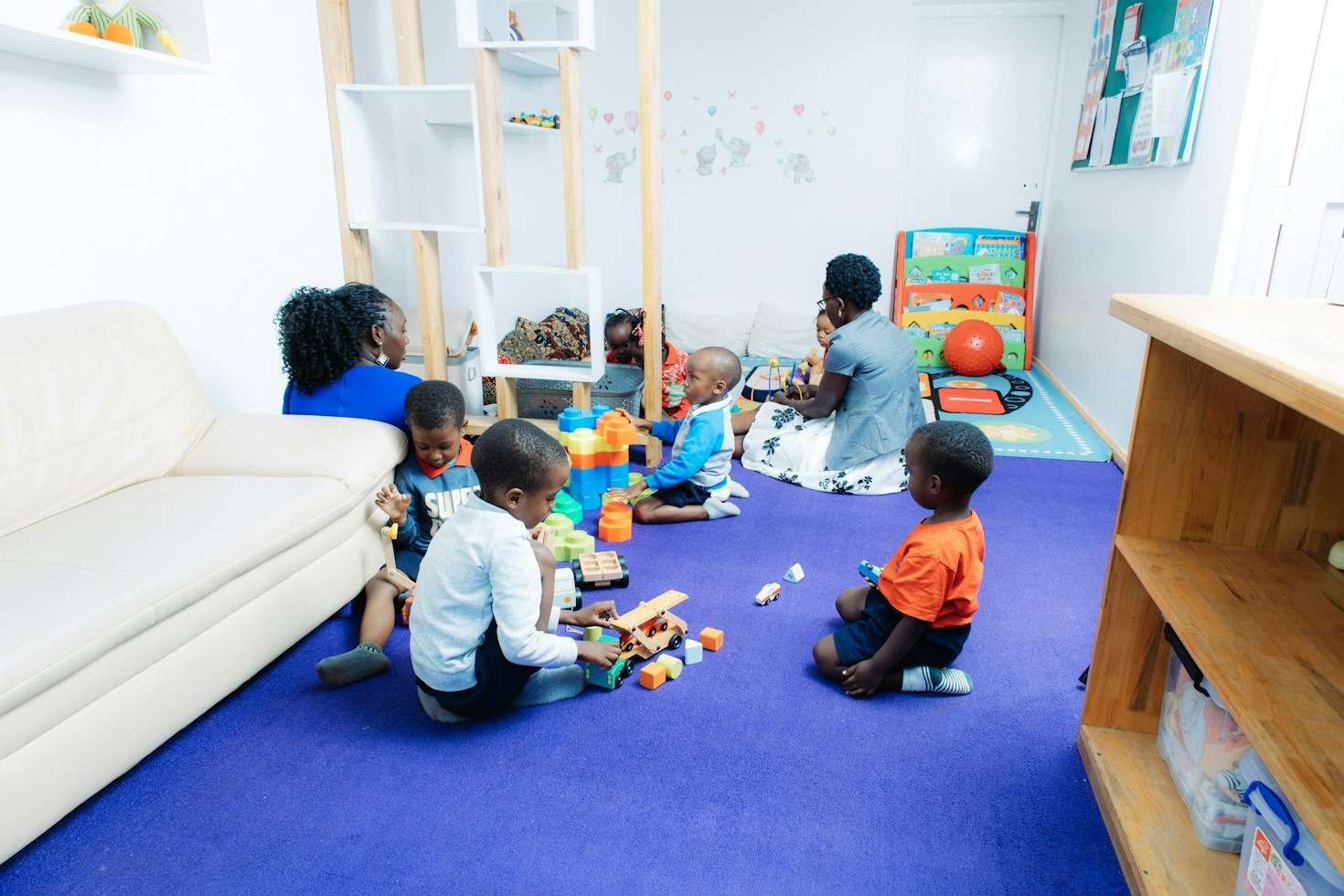
Finding fun indoor activities for kids can be a lifesaver on rainy days, extremely hot afternoons, school breaks, or whenever the family needs to spend more time at home. The good news is that keeping children entertained doesn’t require expensive toys or hours of preparation.
Simple activities using things you probably already have at home can encourage creativity, movement, problem-solving, and independent play. Here are 10 easy ideas that busy parents can set up without turning the house upside down.
1. Indoor Activities for Kids: Build a Treasure Hunt
Hide a few small objects around the house and create simple clues leading children from one location to the next. For younger children, use pictures or very simple directions. Older kids can solve riddles or complete small challenges before receiving their next clue.
2. Create a Cardboard Box Challenge
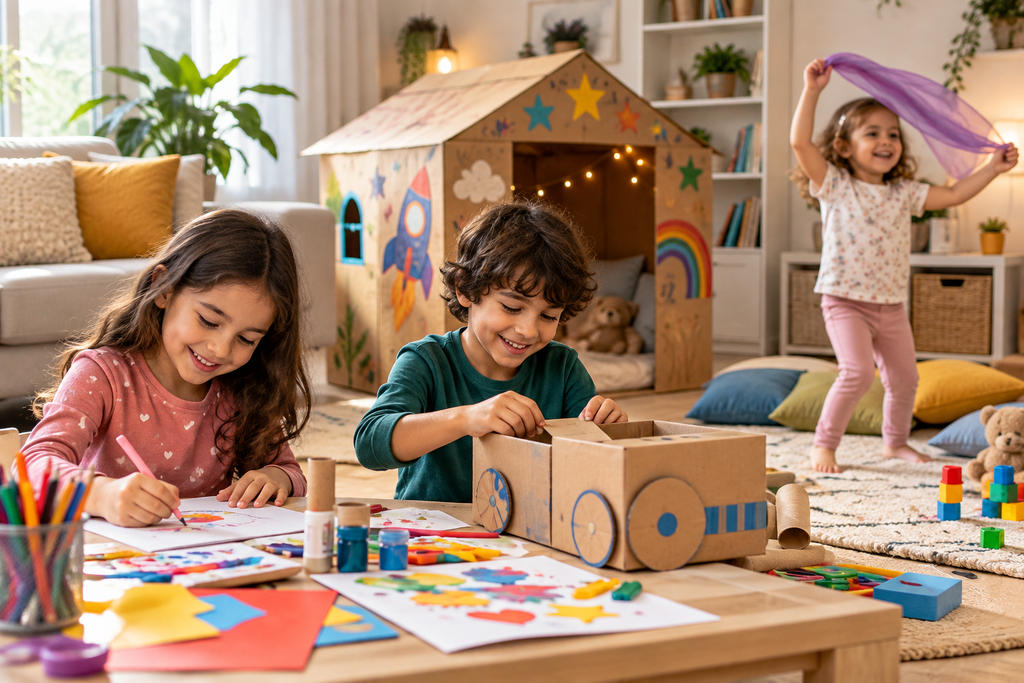
Before throwing away delivery boxes, turn them into a creative project. Children can transform a large box into a house, car, rocket, shop, or anything else they imagine. Give them crayons, washable markers, stickers, or colored paper and let them design it themselves.
3. Make a Simple Arts and Crafts Station
Keep basic supplies such as paper, crayons, washable markers, child-safe scissors, glue, and stickers together in one container. Instead of planning a complicated craft every time, give children an open-ended challenge such as creating a funny animal, designing a birthday card, or drawing their dream bedroom.
4. Build a Living-Room Obstacle Course
Use cushions, chairs, blankets, tape, or safe household objects to create a simple course. Children might crawl under a chair, walk along a taped line, jump between cushions, and finish by tossing a soft ball into a basket. Keep the course appropriate for your child’s age and supervise activities that involve climbing or jumping.
5. Have a Family Dance Break
Choose a few favorite songs and turn part of the living room into a temporary dance floor. You can also play freeze dance: everyone dances while the music plays and freezes when it stops. It’s simple, requires almost no preparation, and gives children an opportunity to move when they’re stuck indoors.
6. Try a Simple Kitchen Activity
Cooking can become an activity as well as a useful life skill. Depending on their age, children can wash fruit, mix ingredients, decorate sandwiches, arrange toppings, or help prepare a simple snack. Keep tasks age-appropriate and supervise anything involving heat, knives, or electrical appliances.
7. Create a Reading Fort
Use blankets, cushions, and chairs to create a cozy reading corner. Let children choose a few favorite books, add a flashlight or soft lamp, and make the space feel special. Even children who aren’t usually excited about reading may enjoy it more when it becomes part of an indoor adventure.
8. Play the Toy Rotation Game
Instead of keeping every toy available all the time, put some away and bring them back after a few weeks. Toys children haven’t seen recently can suddenly feel interesting again. You can even let your child choose which toys will “take a vacation” and which ones will stay out.
9. Try Easy At-Home Science Experiments
Simple experiments can turn an ordinary afternoon into a learning experience. Explore what objects float or sink, mix colors, grow seeds in a clear container, or experiment with magnets. Ask children what they think will happen before starting and talk about what they observe afterward.Simple hands-on science activities can also encourage children to ask questions, make predictions, and explore how things work.
10. Let Children Lead the Activity
Not every minute needs a planned activity. Give children a selection of safe materials—blocks, paper, dress-up clothes, toys, or craft supplies—and let them decide what to create. Independent play gives children opportunities to use their imagination and solve problems without an adult directing every step.
Making Indoor Time Easier for Everyone
The best indoor activities for kids don’t need to be complicated. A cardboard box, a few cushions, music, books, or basic craft supplies can provide plenty of entertainment when children are encouraged to use their imagination.
It’s also normal for indoor days to include moments of boredom, frustration, or disagreement. If emotions start running high, some of the ideas in our gentle parenting strategies guide can help you respond calmly while maintaining clear boundaries.
Start with one or two activities that match your child’s age and interests. Keep the setup simple, involve children in cleaning up afterward, and save the activities they enjoy most for the next rainy, hot, or stay-at-home day.
Leave a Reply